
Blood thickness (viscosity) is determined by the components in the plasma (the liquid part of your blood), which includes red blood cells, white blood cells, and platelets. The platelets in Lily’s body immediately get to work clotting the blood to stop the bleeding. After a couple of minutes, Lily’s https://ecosoberhouse.com/ hand still hurts, but at least the bleeding has stopped.
Find more top doctors on
If you have concerns about alcohol and its impact on your health, it is always best to consult with a healthcare professional who can provide personalized advice and guidance. Blood thinning, also known as anticoagulation, refers to the process of reducing the blood’s ability to clot. When blood clots form excessively or inappropriately, it can lead to serious health risks such as deep vein thrombosis, stroke, or heart attack. Blood thinners are medications or substances that help prevent or treat such clotting disorders. Excessive alcohol consumption can lead to liver damage, including inflammation, fatty liver disease, and even cirrhosis.
- Moderate alcohol consumption may lead to a slight decrease in blood pressure, while excessive alcohol intake can cause a significant rise in blood pressure.
- Not only that, some people experience an increase even after one or two drinks because their body processes alcohol differently.
- Moderate drinking is one drink daily for women and two drinks daily for men.
- The combination of reduced clotting and a damaged mucosal barrier makes internal bleeding more likely.
- Blood clotting is a complex process involving various components, primarily platelets and clotting factors.
Are there any alternative methods for preventing blood clots besides medication and lifestyle changes?
If you must drink alcohol while taking blood thinners, do so in moderation. Blood cells, called platelets, move to the injured area of the body when you’re cut or bruised. Platelets also deliver proteins called clotting factors that create a plug to close a wound. However, it’s never a good idea to use alcohol in place of your prescription blood thinners. Your doctor has prescribed you a very specific amount of medication based on specific factors they found in your blood. You have no chance of perfectly matching the effect of your prescribed medication, and this can be incredibly dangerous.
Understanding the Myth
- This occurs because alcohol interferes with the normal signaling pathways that activate platelets, such as those involving adenosine diphosphate (ADP) and thromboxane A2.
- There are too many variables to make a blanket statement that alcohol is good for your blood pressure.
- Drinking alcohol can cause blood pressure to rise, especially if someone drinks a lot at once.
- Alcohol addiction can have serious consequences on both physical and mental health.
The interaction between alcohol, medications, and certain health conditions can further complicate the effects of alcohol on blood thinning. For instance, individuals taking medications such as warfarin or aspirin, which are alcoholism treatment known to affect blood clotting, should be cautious when consuming alcohol. Alcohol can interfere with the effectiveness of these medications or potentiate their effects, increasing the risk of bleeding or other complications. While some suggest that moderate alcohol consumption may have a slight anticoagulant effect, meaning it may potentially inhibit blood clot formation, the evidence is not definitive. Other studies have found no significant impact of alcohol on blood clotting factors.
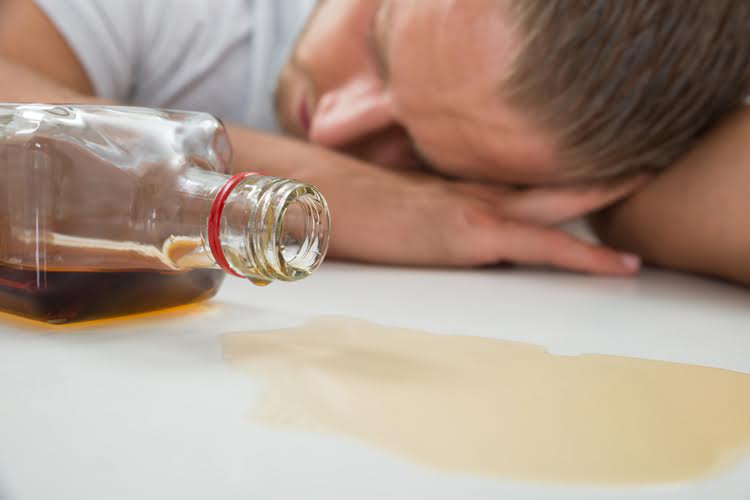
Alcohol can increase the risk of bleeding strokes
- Excessive alcohol consumption can lead to an increased risk of developing arrhythmias, which are irregular heartbeats, as well as cardiomyopathy, a stretching or drooping of the heart.
- Additionally, those with chronic medical problems, especially related to the liver or kidneys, should be cautious as these organs affect the metabolism of the blood thinner.
- Platelets are small cell fragments in the blood that, when activated by an injury, become “sticky” and clump together to form a plug at the site of damage.
By reducing the likelihood that these blood cells will stick together and form a clot, alcohol may then “thin” the blood and help to prevent cardiac complications. Acting as a blood thinner, alcohol can then also lower the risk for a stroke, which is when there is a reduced flow of blood to the brain due to blocked or narrowed arteries. The above review noted that low to moderate alcohol consumption can decrease platelet activation and aggregation, meaning it may reduce blood clotting in a similar way to blood thinning medications.
While alcohol does not “thin” the blood in the traditional sense, it can interfere with platelet function, making it harder for the blood to clot properly. Furthermore, chronic alcohol use can lead to liver damage, which in turn affects the production of clotting factors, exacerbating bleeding risks. While does alcohol thin the blood occasional, acute consumption might lead to temporary changes, chronic heavy drinking can result in more persistent alterations to the clotting capabilities. Interactions with other substances or medications, particularly blood thinners like aspirin, or prescription anticoagulants such as warfarin, can prolong or amplify alcohol’s effect. When combined with these medications, alcohol can increase the risk of bleeding due to a compounded effect. Generally, the blood-thinning effects of alcohol can last for several hours, potentially up to hours or even longer, depending on these individual and consumption-related factors.