
Prepaid expenses are expenses that have been paid in advance for goods or services that will be received or consumed in the future. It is a common practice in many industries, including retail, entertainment, and hospitality, where businesses frequently engage in promotional activities to attract customers. In practice, there are many prepaid items, thus in order to manage those prepayment properly, accountants or bookkeeping staff shall need to maintain a proper prepayment schedule. When they have proper schedule, it will save a lot of time in managing and recording those amortization expenses. Insurance premium is the amount of money that an individual or company paid to the insurance company to get the insurance service. The customers pay the insurance premium, so they will get the insurance cover over their health, accident, and even life insurance.
When do prepaid expenses hit the income statement?

If you use an expense account, the P&L will show a huge loss in one month (from the damage) and then a huge profit in the month that the insurance check is received. I have entered their figures into the free bookkeeping software called Manager so you can see the insurance journal entry in action. Personal insurance payments are not deductible business expenses so must not go on the Income Statement (Profit and Loss Report).
Initial Entry: Recording Prepaid Expense
- This way, the monthly rent expense shows up on the income statement, and the prepaid asset drops on the balance sheet.
- Prepaid expenses, or prepaid assets, show up on the balance sheet as assets when a company pays for stuff in advance.
- Amortizing prepaid expenses involves calculating the portion of the prepaid amount that corresponds to each accounting period.
- CPA aspirants must recognize how prepaid items shift from assets to expenses, affecting both income statements and balance sheets in accordance with GAAP.
- So, it involves recording the financial transactions that show the debit and credit accounts affected.
The company must continue to make appropriate journal entries to apportion the prepaid insurance expense according to the time period during which the expense will continue to accrue. This is usually done by the accounting department at the end of each financial year by using an adjusting journal entry. The adjusting journal entry for a prepaid expense, however, does affect both a company’s income statement and balance sheet. The adjusting entry on January 31 would result in an expense of $10,000 (rent expense) and a decrease in assets of $10,000 (prepaid rent). An insurance premium is an amount that an organization pays on behalf of its employees and the policies that a business has rendered. The expense, unexpired and prepaid, is reported in the books of accounts under current assets.

Common Challenges and Solutions
Companies must track the expiration date of prepaid expenses to ensure that they are recognized as expenses when they expire. adjusting entries Failing to track the expiration date can result in overstating the company’s assets and understating its expenses. Once the prepaid expense is used or consumed, it is recognized as an expense on the income statement. This is known as amortization or allocation of the prepaid expense over the period that it is expected to benefit the business. As mentioned above, prepaid rent refers to the advance payment of rental for the right to use such rent over a period of time. For instance, on 01 January 2019, ABC Co has paid US$50,000 for the office space to D Co, a property management company.
At the payment date of prepaid insurance, the net effect is zero on the balance sheet; and there is nothing to record in the income statement. However, after adjusting entry at the end of the prepaid insurance period for the insurance expense, the asset account will decrease while the expense account will increase. Likewise, the adjusting entry at the end of the period is necessary for the company to recognize the cost that expires through the passage of time.
Can You Provide an Example of an Initial Journal Entry for Prepaid Expenses?
This approach ensures that businesses are financially protected against unexpected events such as theft, fire, or other insured risks. As the coverage period expires, the prepaid insurance account is reduced, and the consumed portion is recorded as an insurance expense in the income statement. Prepaid expenses are initially recorded as assets on the balance sheet.
Prepaid insurance is treated as the asset of the firm and is recorded under the Asset side of the balance sheet. Insurance premium is generally paid by the company on behalf of its employees. Understanding this core concept is key to accurate financial reporting. By following these steps, you can be confident that your balance sheet and income statement properly reflect your business operations. At the end of each month or accounting period, you would need to make adjustments to your books. You need to allocate some of the amount paid in advance to the Insurance Expense account.

The journal entry is increasing prepaid law firm chart of accounts insurance on the balance sheet. They are an advance payment for the business and therefore treated as an asset. The accounting rule applied is to debit the increase in assets” and “credit the decrease in expense” (modern rules of accounting).
Journal Entry for January 31st
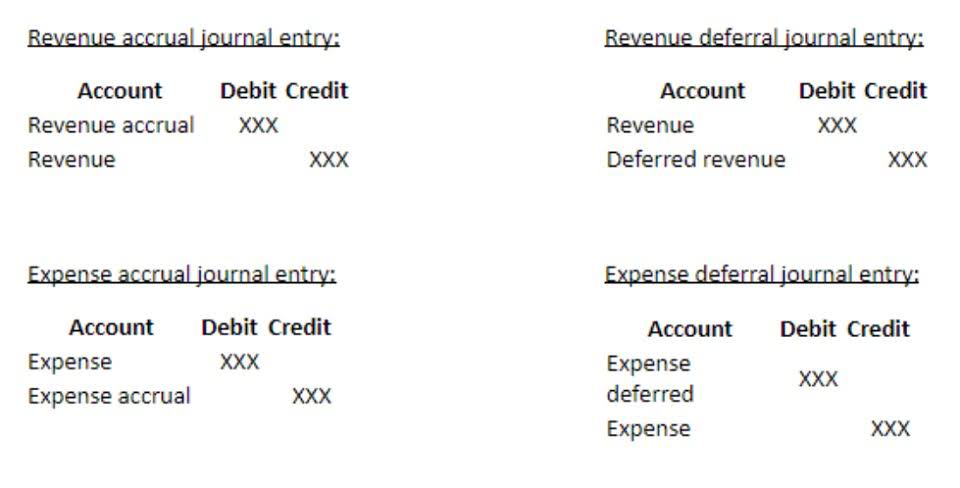
Prepaid expenses are recorded as assets because they provide future economic benefits. The initial recording involves debiting a prepaid expense account and crediting the cash or bank account used for the payment. Use specific subaccounts, such as Prepaid Insurance or Prepaid Software, to improve tracking and reporting. Amortizing prepaid expenses involves systematically allocating the cost over the benefit period. For instance, if a business pays for a one-year insurance policy, the expense is divided and recognized monthly over the policy period.
- If the benefit extends beyond 12 months, classify the portion beyond one year as noncurrent.
- It records the purchase as a prepaid and expenses based on monthly consumption.
- When making a payment, the cash balance will decrease and increase the prepaid insurance.
- Expenses are considered incurred when they are used, consumed, utilized or has expired.
- So the company will separate it into the monthly expense which allows the company to record the expense based on the monthly insurance.
- Prepaid expenses are initially recorded as assets, because they have future economic benefits, and are expensed at the time when the benefits are realized (the matching principle).
Using the concept of the journal entry for prepaid expenses below is the journal entry for this transaction in the books of Company-B at the end of December. All 12 months from Jan’20 to Dec’20 will be charged in each period against the prepaid expense account to reduce the prepaid account to zero by end of the year. Ignoring adjusting entries for prepaid insurance is like ignoring that check engine light—eventually, it catches up with you. By staying on top of these adjustments, you’re not just crunching numbers; you’re safeguarding your business’s financial integrity. You debit prepaid insurance because it’s increasing your assets (future benefits) and credit cash because, well, money just left your pocket. The Prepaid Rent account gets a debit, boosting your assets, while the Cash account gets a credit, showing the cash outflow.